
Salsa
Cali is known as the «world capital of salsa»: dance schools, salsa clubs (salsotecas) and its own style of lightning-fast footwork. Here you eat to fuel up and go out dancing.
In the «Sucursal del Cielo» (Heaven's Branch Office), food goes hand in hand with salsa, Pacific coast music and the riverside outing. Discover the Afro-Colombian, Indigenous and mestizo roots served up in every Cali dish.
Festivals, neighborhoods, rivers and cravings every local recognizes. Each one comes with something to eat.
Cali is known as the «world capital of salsa»: dance schools, salsa clubs (salsotecas) and its own style of lightning-fast footwork. Here you eat to fuel up and go out dancing.
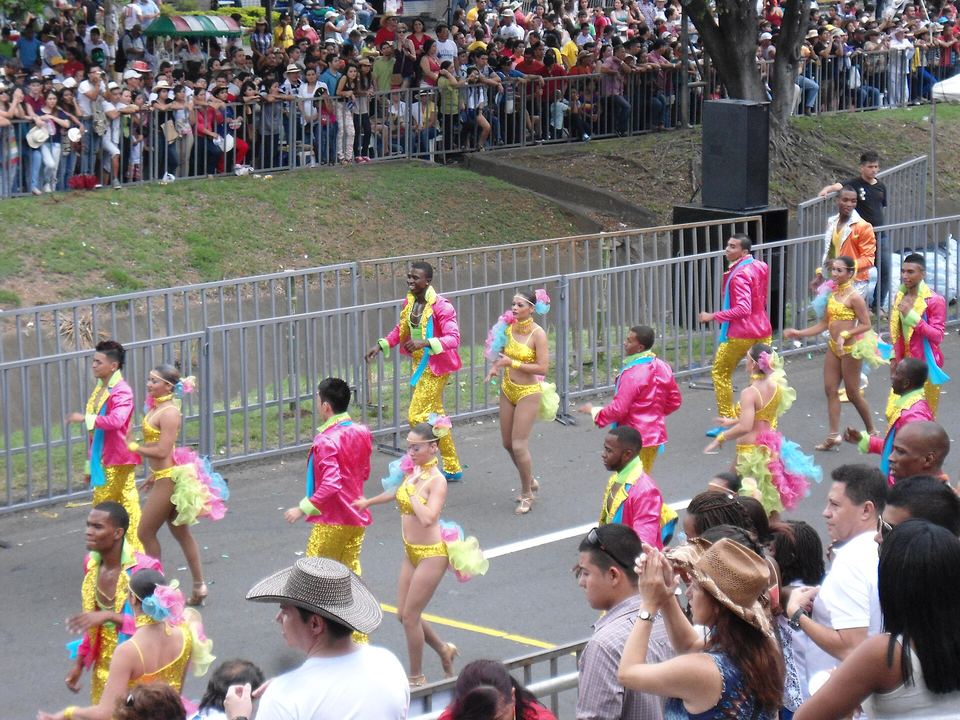
Held every December 25–30 since 1957, it opens with the Salsódromo (a salsa dance parade). It's the season for manjar blanco (a milk-and-sugar sweet), buñuelos (cheese fritters) and champús.
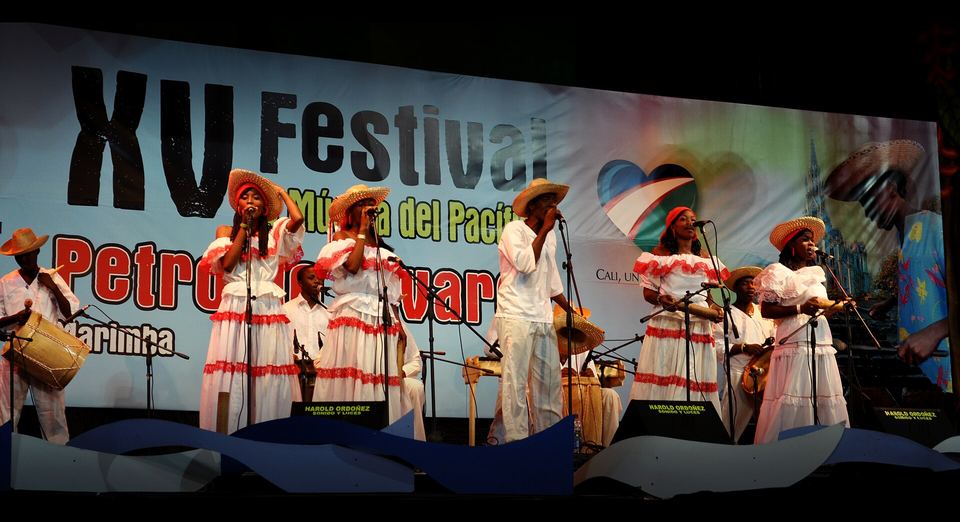
The great festival of Pacific coast music (since 1997): marimba, cununo drums and traditional singing, plus encocados (coconut stews), tapaos (fish-and-plantain stews), piangua (mangrove cockle) empanadas and viche (a traditional sugarcane spirit from the Pacific coast).

The classic weekend plan: a «paseo de olla» (a riverside picnic with a big pot of food) on the riverbank, and sancocho de gallina (hen soup) cooked over a wood fire at the country-style restaurants.
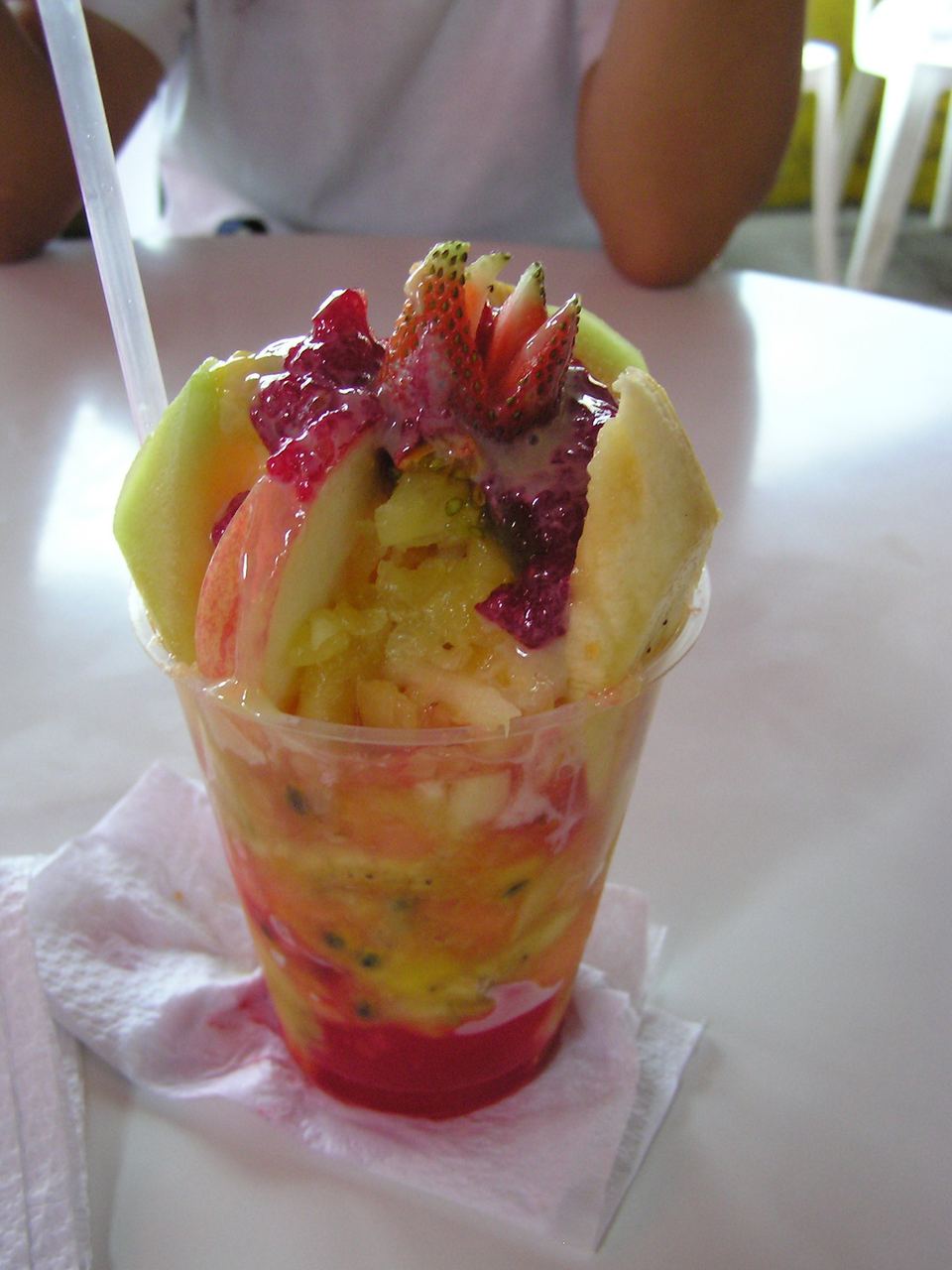
Shaved ice, chopped fruit, melao (cane syrup) and condensed milk. Born in Jamundí, in Cali it has its temple at the stands by the Canchas Panamericanas.
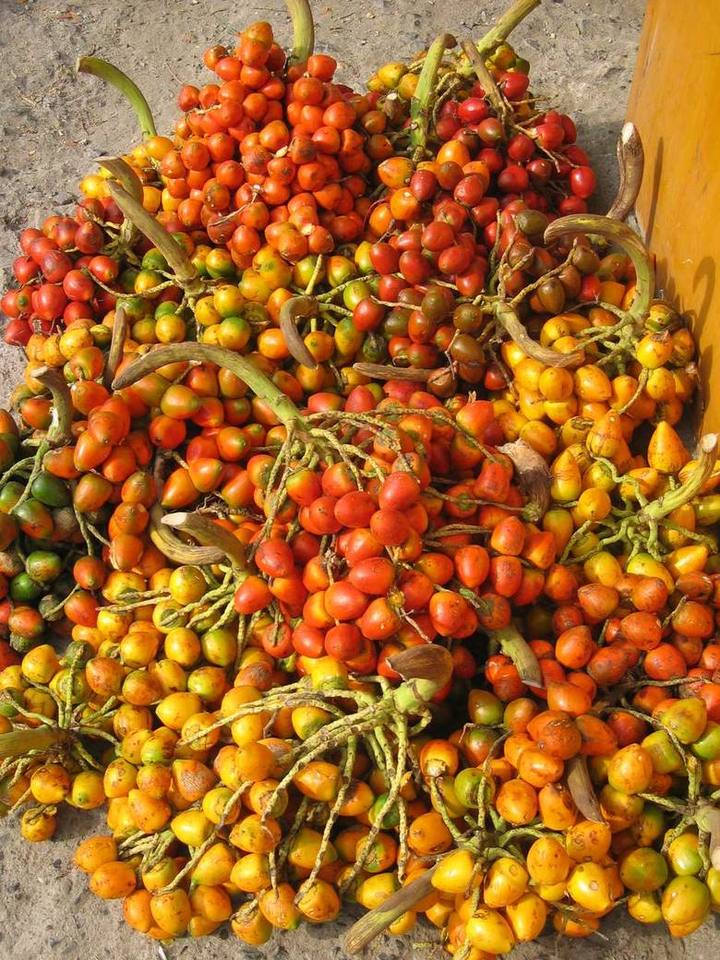
A Pacific palm fruit (peach palm) sold from carts all over the city, boiled and served with salt or honey. A flavor you either love or hate.
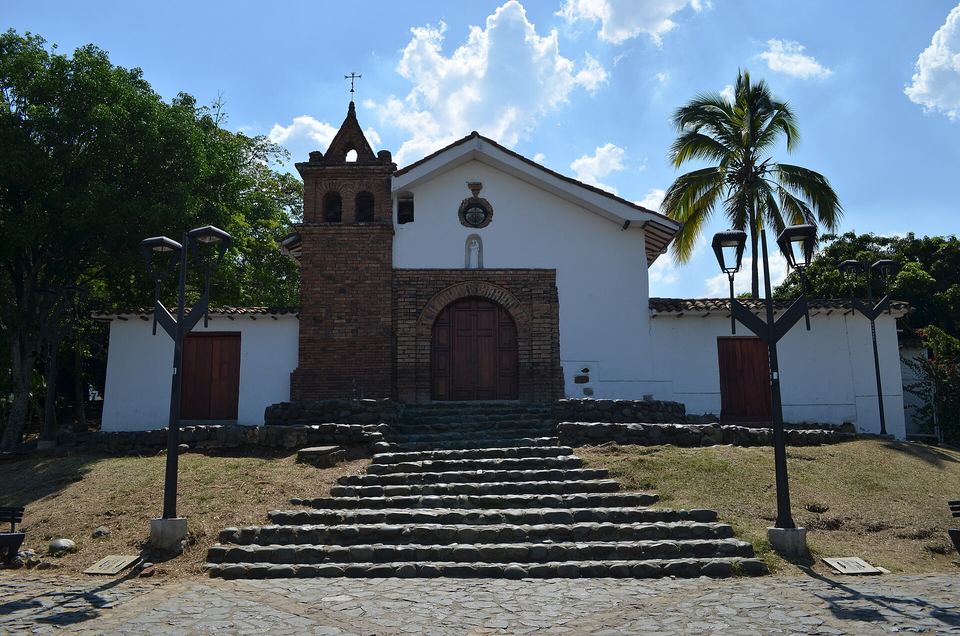
A neighborhood of colonial houses and steep streets around its 18th-century chapel. On the hill, people watch the sunset and listen to street storytellers (cuenteros).
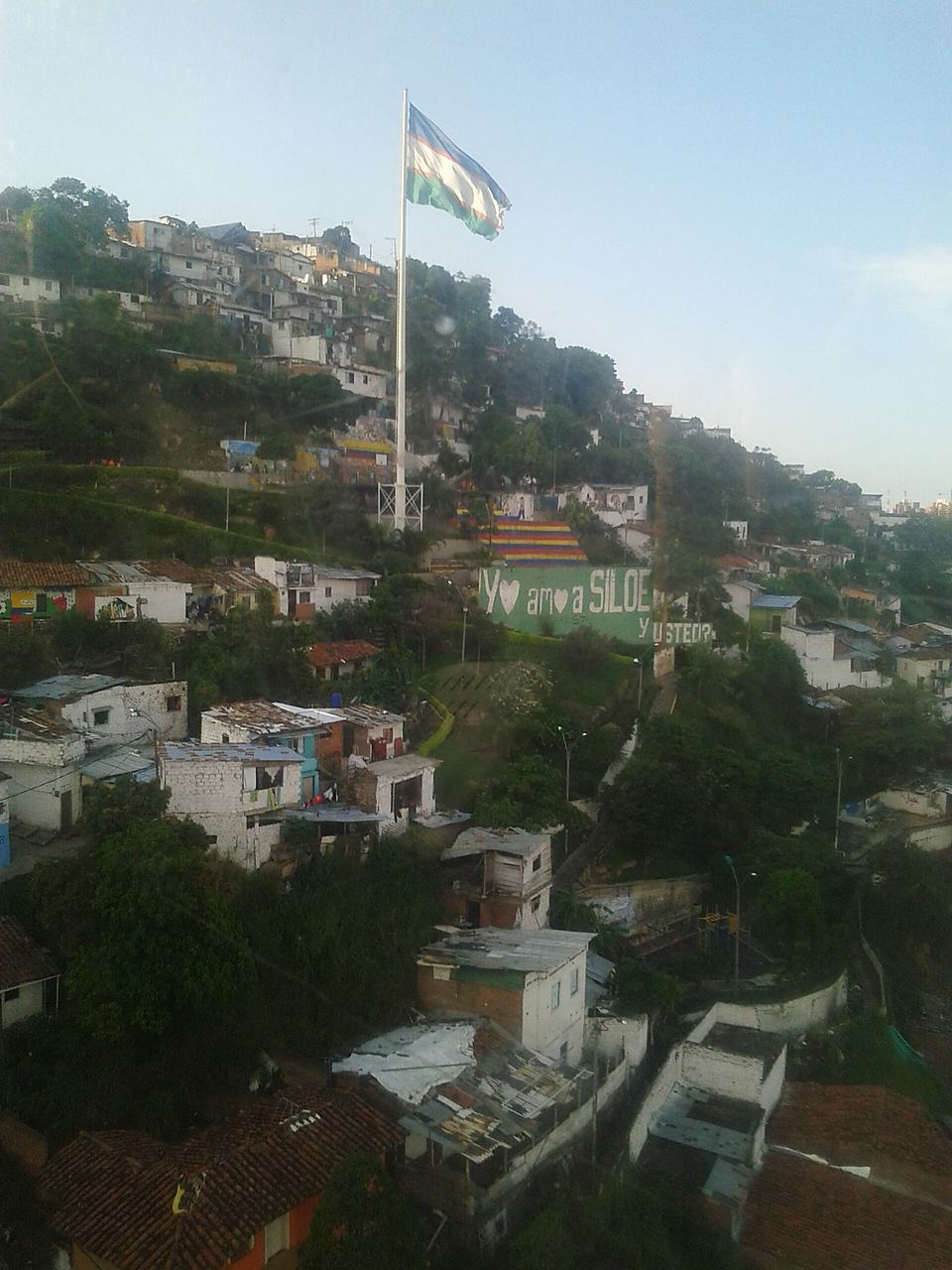
A hillside district on the west side of the city, with viewpoints, murals and tours led by its own community. Get there on the MIO Cable (the city's cable car).
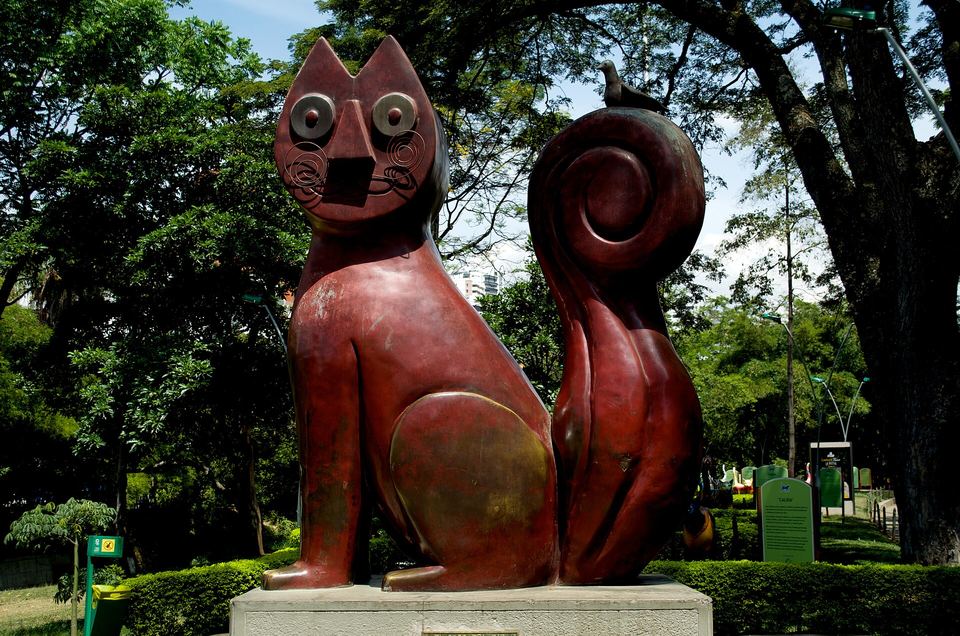
A sculpture by Hernando Tejada (1996) beside the Cali River, joined by his «girlfriends»: female cat statues decorated by different artists. A classic meeting spot.
Photos: Wikimedia Commons authors (CC BY, CC BY-SA and public domain licenses). See authors and licenses.
«Cali is Cali, the rest is just hills»
Caleños use «vos» instead of «tú» («vos sabés», «mirá») and have their own words. They'll come in handy when ordering at a stall.
To get someone's attention: «hey, look». The «ve» shows up at the end of almost any sentence.
Cali-style «vos»: «look, come here». You'll also hear «¿vos qué querés?» («what do you want?») when they ask for your order.
To go out for a stroll or wander around with no set plan, for example along the Bulevar del Río.
The little extra the vendor throws in for free when you buy. At the market halls (galerías) it's a tradition to ask for it.
A plastic bag. «¿Te lo echo en una chuspa?» («Want it in a bag?») they'll ask when you buy fruit.
«Heaven's Branch Office»: the nickname caleños use to show off their city, its weather and its people.
In Colombia, intangible cultural heritage is an essential part of national identity. Among these cultural expressions, food holds a prominent place, bringing together culinary traditions, collective memory and the social life of each region.
In Santiago de Cali and the Valle del Cauca, this culinary wealth reflects a historical convergence of Afro-Colombian, Indigenous and mestizo influences, visible in the ingredients, cooking techniques and rituals around eating.
In today's world of digital transformation, much traditional knowledge risks fading from view. Digital preservation becomes a key strategy to document, share and strengthen open access to cultural knowledge, as UNESCO proposes.
Cali cooking is strongly shaped by three cultural traditions that blend together in every dish.
The influence of Colombia's Pacific coast is perhaps the deepest in Cali cooking. Ingredients like chontaduro, plantain and coconut are cornerstones, as are its cooking techniques and rich flavors.
Signature dishes: chontaduro, encocados, arroz atollado (creamy pork-and-sausage rice), fried fish
Indigenous peoples contributed a deep knowledge of local crops. Corn, cassava (yuca) and native spices are the base of preparations refined over centuries, such as champús (a spiced corn-and-lulo drink).
Signature dishes: champús, envueltos (sweet corn wraps), tamales
The blending of European traditions with local knowledge gave rise to dishes that are now emblems of Cali's identity. Sancocho, marranitas and pandebono are examples of this fusion.
Signature dishes: sancocho, marranitas, pandebono
The city's big dates and what people eat at each one. More details in What to eat by season.
Food brings people together in Cali: it's at every celebration, family gathering, market and fair. Today, chef-driven restaurants share the city with traditional street stalls.
Free-range hen, cassava, plantain and corn on the cob. More than a dish, a ritual that gathers the family around the stove.
View dish →The iconic Pacific fruit, eaten with salt or honey and tied to the city's Afro-Colombian identity.
View dish →Green plantain balls stuffed with chicharrón (crispy pork belly): street creativity turned icon.
View dish →Corn, lulo, panela (unrefined cane sugar) and spices. One of the oldest preparations in the region.
View dish →The Valle's cheese bread, inseparable from coffee and found on every corner.
View dish →Lulo (a tangy Andean fruit) hand-mashed with lime and ice: the drink that tastes like Cali.
View dish →Cali GastroWeb is a multimedia web platform whose purpose is to document, preserve and promote the traditional and contemporary food of Cali. Through a structured multimedia library, it aims to portray the city's culinary heritage in an accessible, everyday and interactive way.
The platform lets you look up recipes, watch how dishes are prepared, listen to cultural testimonies and explore food routes using digital tools.
A detailed record of recipes, ingredients and cooking techniques.
Digital protection of culinary heritage for future generations.
Free, open access to Cali's food knowledge.
A teaching and cultural tool for the community.
If you have family recipes, testimonies, photos or stories about Cali's food that you'd like to share, we'd love to hear from you.